
About
Services
Manufacturing
Portfolio
Contact

krueger sheet metal
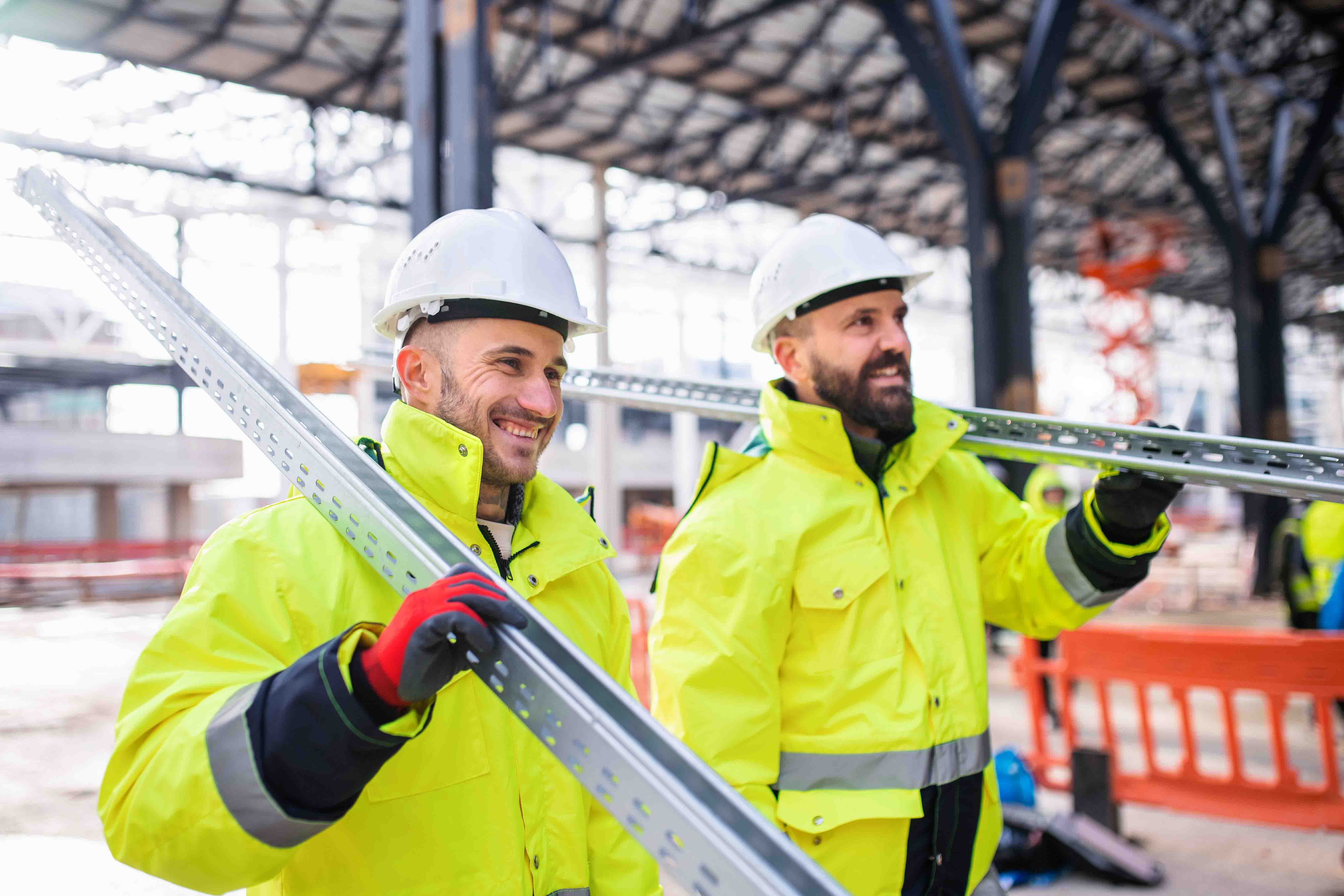
Coordinating Sheet Metal Work with Other Construction Trades
Sheet metal work often finishes the junction between several building systems. Coordinating those interfaces early helps the project team understand what must be complete, what must remain accessible, and who owns each part of the connection.

Coordination begins with the places where scopes meet. A clear detail and a clear division of responsibility are both necessary for an organized installation.
Roofing, glazing, cladding, and mechanical work can all affect sheet metal dimensions or sequencing. Identify these relationships while the details can still be reviewed together.
Some components must be installed before adjoining work closes access. Discuss the sequence with affected trades and include it in the construction schedule.
Fabricated metal needs suitable attachment conditions. Confirm who supplies backing or other supports and when those conditions will be available for verification.
An approved detail can become outdated when related work changes. The coordination process should continue through installation and closeout.
Distribute changes to dimensions, materials, and equipment before affected pieces enter production. Identify the parts and locations involved rather than relying on a general revision notice.
Document how unexpected conditions are resolved and obtain the required review. Clear records help prevent a field adjustment from being mistaken for an approved change elsewhere.
Check interfaces with the relevant trades before they are hidden. This gives the team an opportunity to address fit, access, and continuity while the work remains visible.

ready to discuss your next project?
Krueger Sheet Metal delivers precision fabrication and architectural metal solutions engineered for performance, durability, and long-term value. From complex building envelope systems to custom fabrication, our team supports commercial, industrial, and institutional projects throughout the Pacific Northwest.