About
Services
Manufacturing
Portfolio
Contact

krueger sheet metal
Custom Metal Fabrication: From Drawings to Installation
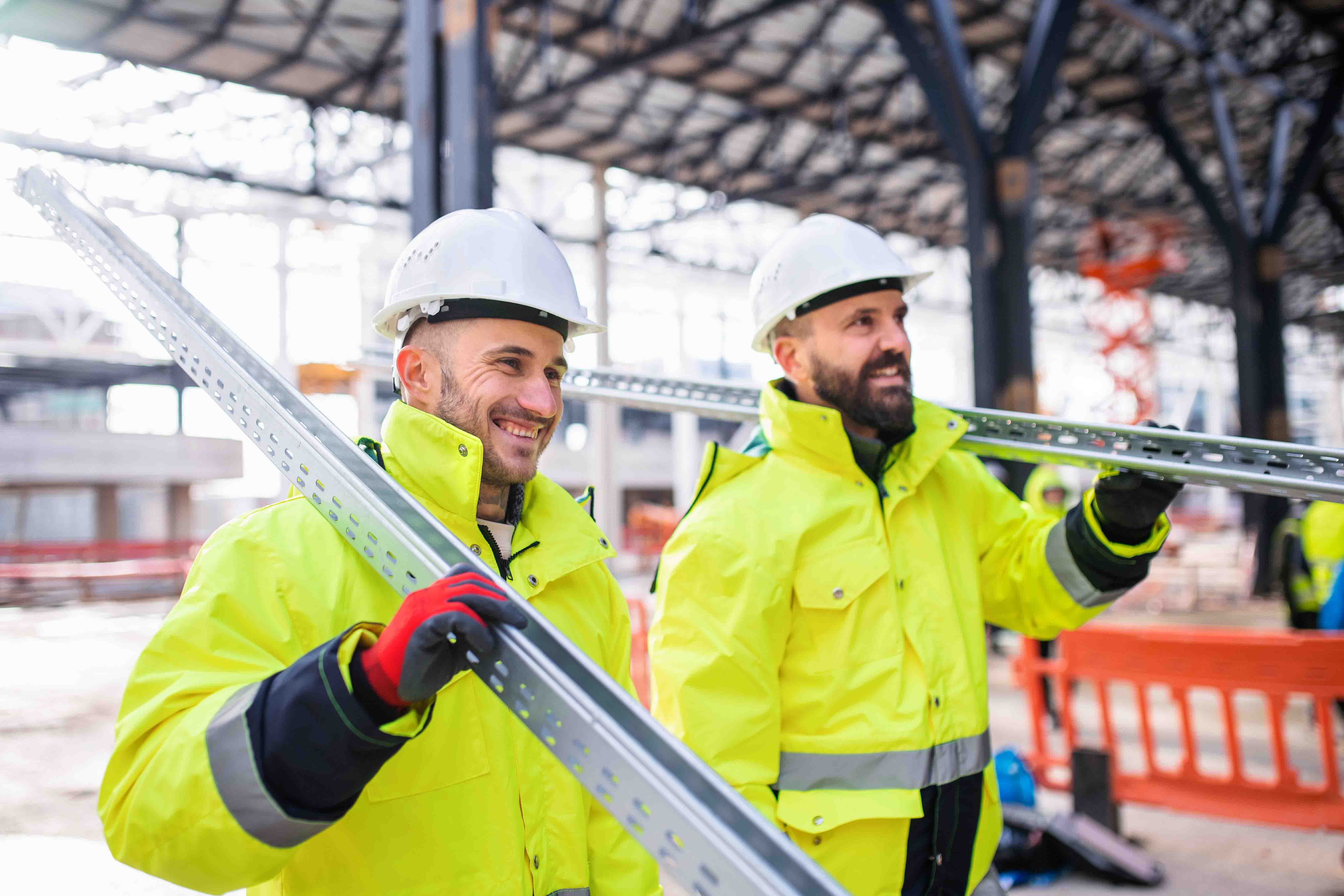
Custom fabrication turns a design into components that must fit real construction. Understanding the steps between drawings and installation helps project teams organize decisions, reduce unanswered questions, and prepare for an orderly handoff from the shop to the jobsite.

Fabrication begins with a shared understanding of what the component does, how it connects, and what finished work should look like.
Plans should identify dimensions, quantities, materials, and finishes. Missing information is best resolved before purchasing or cutting metal, when changes are easier to incorporate.
Existing walls and openings may differ from nominal drawing dimensions. Field measurements help establish the actual conditions the fabricated assembly must accommodate.
Shop drawings and samples provide opportunities to review joints, connections, and visible surfaces. Clear approval records help everyone understand the design being released for fabrication.
Cutting and forming are only part of the process. Packaging, delivery, and installation access also influence how successfully the work reaches its final position.
Components may be cut, formed, joined, and finished through several operations. Organizing that sequence helps protect visible surfaces and keeps related pieces together.
Confirm delivery access, unloading arrangements, and storage space before finished components leave the shop. Labels and organized packaging help installers identify pieces without unnecessary handling.
Review alignment, connections, finish condition, and interfaces against the approved documents. A coordinated closeout gives the owner useful information about the installed metalwork and its ongoing care.
ready to discuss your next project?
Krueger Sheet Metal delivers precision fabrication and architectural metal solutions engineered for performance, durability, and long-term value. From complex building envelope systems to custom fabrication, our team supports commercial, industrial, and institutional projects throughout the Pacific Northwest.