
About
Services
Manufacturing
Portfolio
Contact

krueger sheet metal
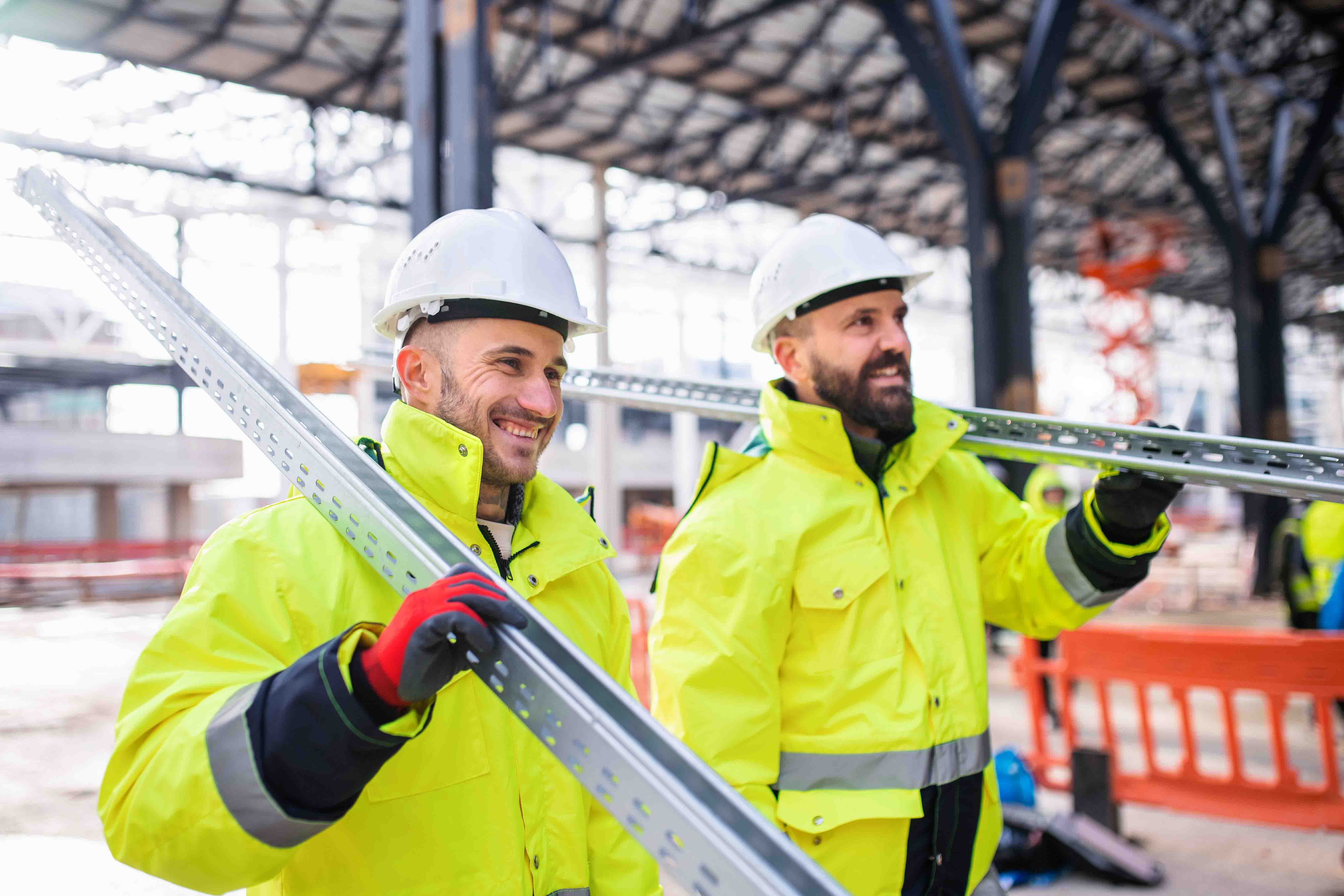
Metalwork in Historic Renovations: Documenting Existing Details
Existing metalwork can carry the character of an older building. Before repairing or replacing a detail, document its shape, connections, materials, and relationship to surrounding construction.

Photograph the visible work and measure accessible profiles. A visual match alone may miss the connections and returns needed for the component to fit.
The responsible project team should clarify any preservation or approval requirements. Fabrication decisions should follow that direction rather than assuming all existing details can be altered freely.
Understand the observed deterioration and adjoining conditions. A replacement piece should not conceal an unresolved problem in the supporting assembly.
Review proposed finishes and shapes against the documented original. Discuss acceptable variation before production, especially where aging has changed the existing appearance.
Coordinate removal and installation with retained finishes. The scope should identify which surrounding areas need access and protection.
Keep drawings, photographs, and accepted changes. Future work benefits from a clear explanation of what was retained, repaired, and replaced.

ready to discuss your next project?
Krueger Sheet Metal delivers precision fabrication and architectural metal solutions engineered for performance, durability, and long-term value. From complex building envelope systems to custom fabrication, our team supports commercial, industrial, and institutional projects throughout the Pacific Northwest.