
About
Services
Manufacturing
Portfolio
Contact

krueger sheet metal
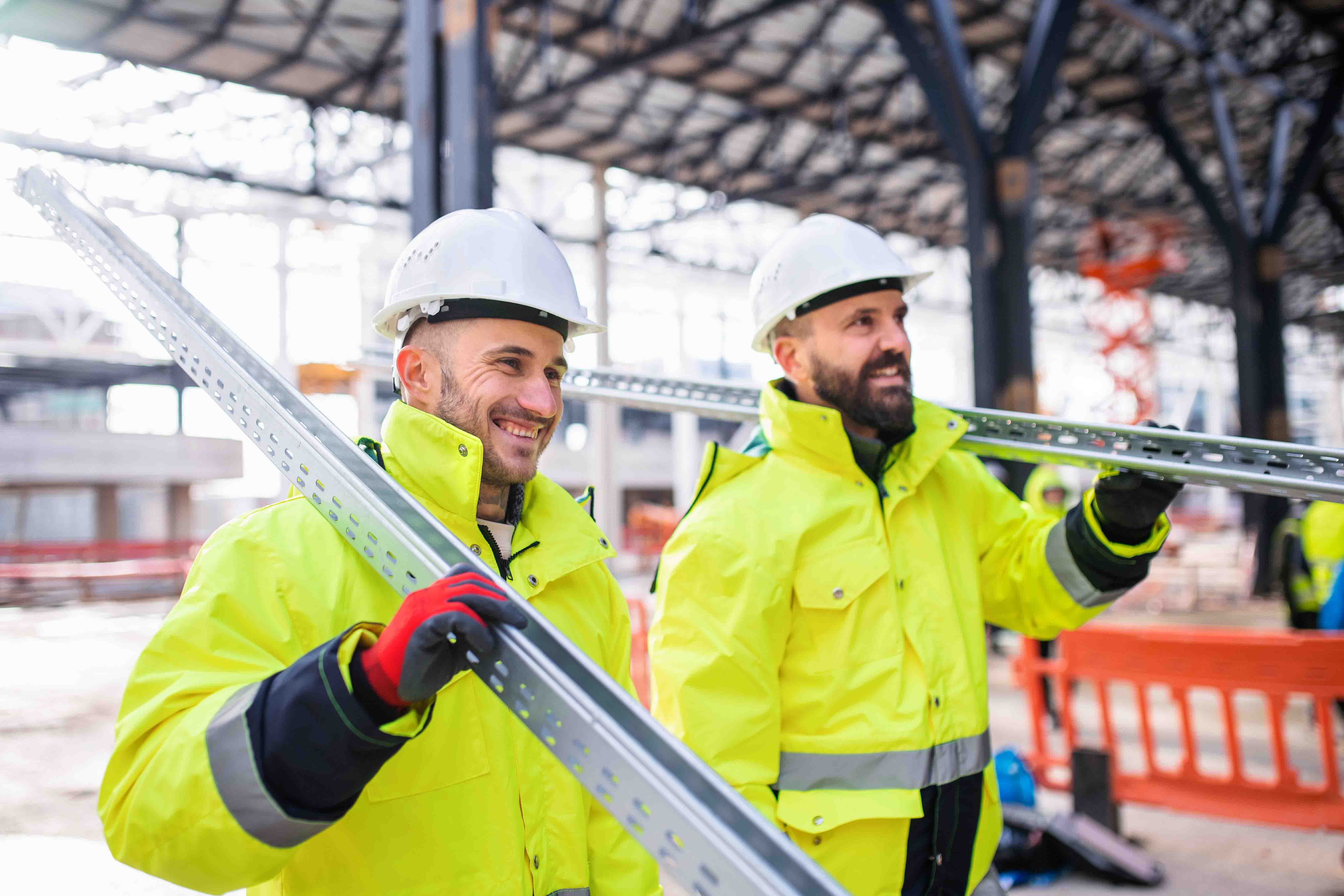
Stainless Fabrication Around Existing Food-Service Equipment
Renovating a working kitchen often requires new metalwork around equipment that stays in place. Reliable measurements and an agreed sequence help coordinate the new components with existing operations.

Mark retained equipment and confirm its actual dimensions. Older installations may differ from current product information or the original drawings.
Discuss when the kitchen can be accessed and which activities must pause. Clear work windows help the team plan measurements, delivery, and installation realistically.
Existing equipment can conceal walls and connections. Identify the conditions that cannot be verified until access is available and record the resulting assumptions.
A component must reach its final position without unnecessary disturbance. Consider segmented construction or sequence adjustments where the existing layout limits access.
Any temporary disconnection or reconnection needs an assigned responsible trade. Fabrication scope should not leave those tasks as unspoken assumptions.
Review operating and maintenance access after installation. Record the final configuration so facility staff understand what changed around the retained equipment.

ready to discuss your next project?
Krueger Sheet Metal delivers precision fabrication and architectural metal solutions engineered for performance, durability, and long-term value. From complex building envelope systems to custom fabrication, our team supports commercial, industrial, and institutional projects throughout the Pacific Northwest.